


Heritage & Craftsmanship
A quiet look at where baijiu’s character comes from—and how that character guides what you choose.


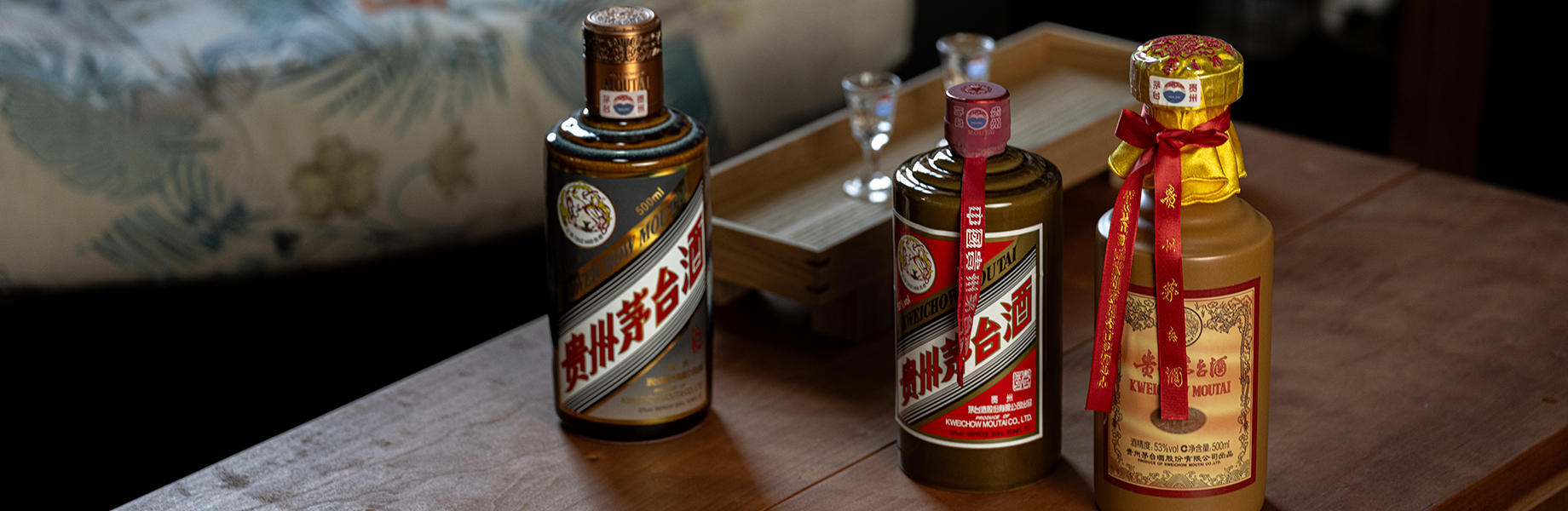
A quiet look at where baijiu’s character comes from—and how that character guides what you choose.
Across many centuries—often described in Chinese sources as spanning two millennia—baijiu evolved from early clay-vessel distillation to today’s refined house styles. The story runs through farming regions, banquet tables and state occasions, shaping a spirit made for dining, ceremony and gifting.
Explore Brand Stories
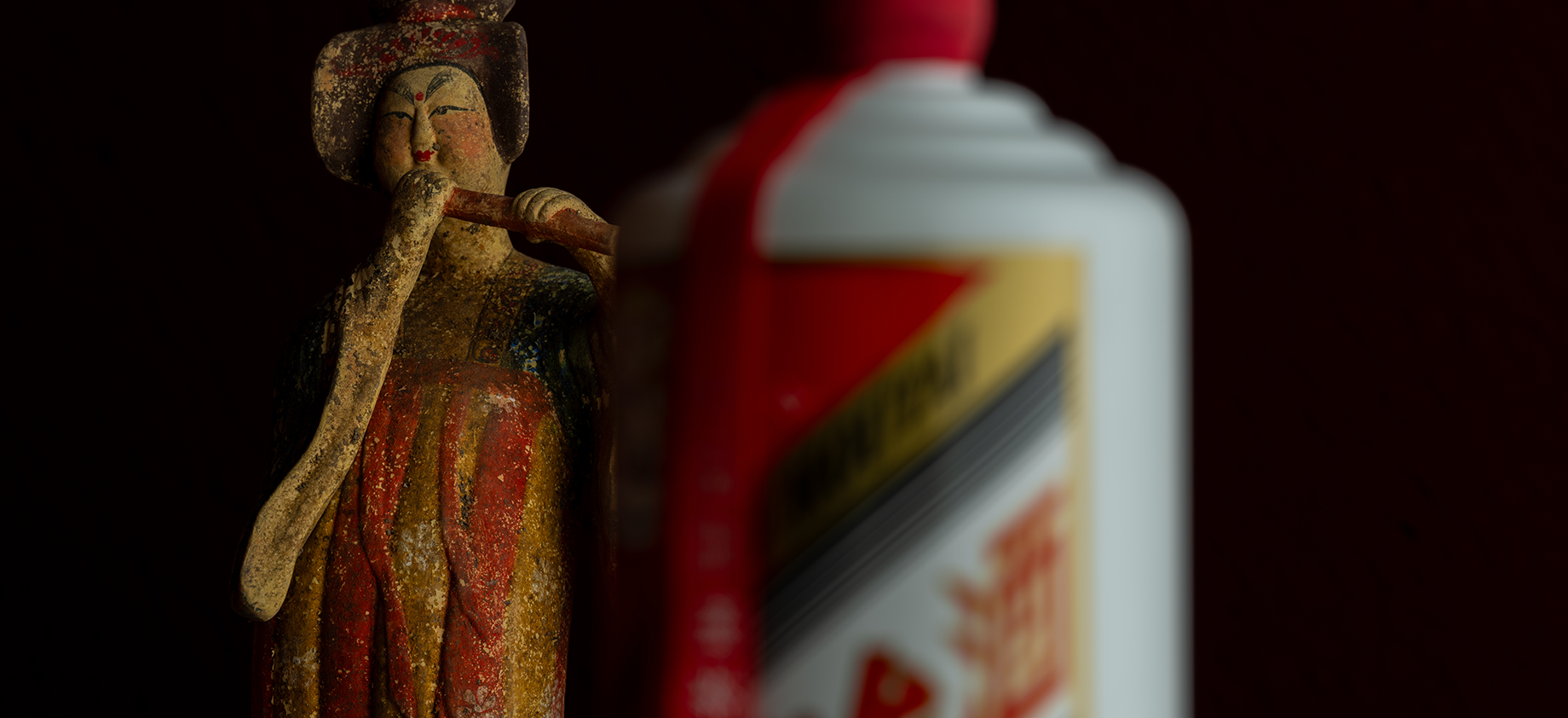
Selected grains—most often sorghum—are steamed and joined with qu, a living starter. The mash ferments in earthen pits under controlled cycles, then undergoes multiple small-batch distillations. The new spirit rests in clay jars, where edges soften, before blending defines the house style and bottling completes the run.
These technical choices are why you can shop confidently by aroma family—Sauce, Strong, Light and Rice.
Baijiu’s flavour is the outcome of choices in grain, culture, fermentation, distillation, clay resting and blending. Understanding these levers helps you read what’s in the glass—before you even open the bottle.

Base grains (sorghum, wheat, rice) and the type of qu steer density and aroma. Wheat-based qu in many jiangxiang houses often builds savoury depth; rice-based starters lean toward lighter, gentler notes.
What it means for you: Choose jiangxiang for savoury depth; qingxiang/mixiang for clean ease; check base grain on label.

Solid-state, multi-round fermentation in earthen pits builds ester layers and length. Laoni pits and microflora deepen jiangxiang, while newer vessels read cleaner, nudging toward brighter nongxiang.
What it means for you: For layered length choose jiangxiang/nongxiang with old pits; for bright clarity choose qingxiang/mixiang.

Batch steam distillation with precise cuts keeps aroma and trims heat cleanly. Runs and heat control shape texture and balance, giving floral lift or richer body suited to jiangxiang depth or nongxiang fruit sweetness.
What it means for you: Seek qingxiang for floral, light body; choose nongxiang for richer fruit weight; use house tasting notes.

Porous clay lets spirit breathe, softening heat and joining layers without oak. Earthenware time integrates texture and extends the finish, often deepening jiangxiang while keeping nongxiang clean, precise and poised.
What it means for you: Seek clay-rested notes for smoother, longer finish—deepens jiangxiang and keeps nongxiang precise and poised.

Base liquors from varied ages and batches are blended to a signature house style, balancing structure and aroma. A short rest knits parts and steadies the profile further across releases in jiangxiang and nongxiang.
What it means for you: For gifting and reorders, favour houses with defined styles; flavours stay steady bottle to bottle.
Aroma Types
Tasting & Service
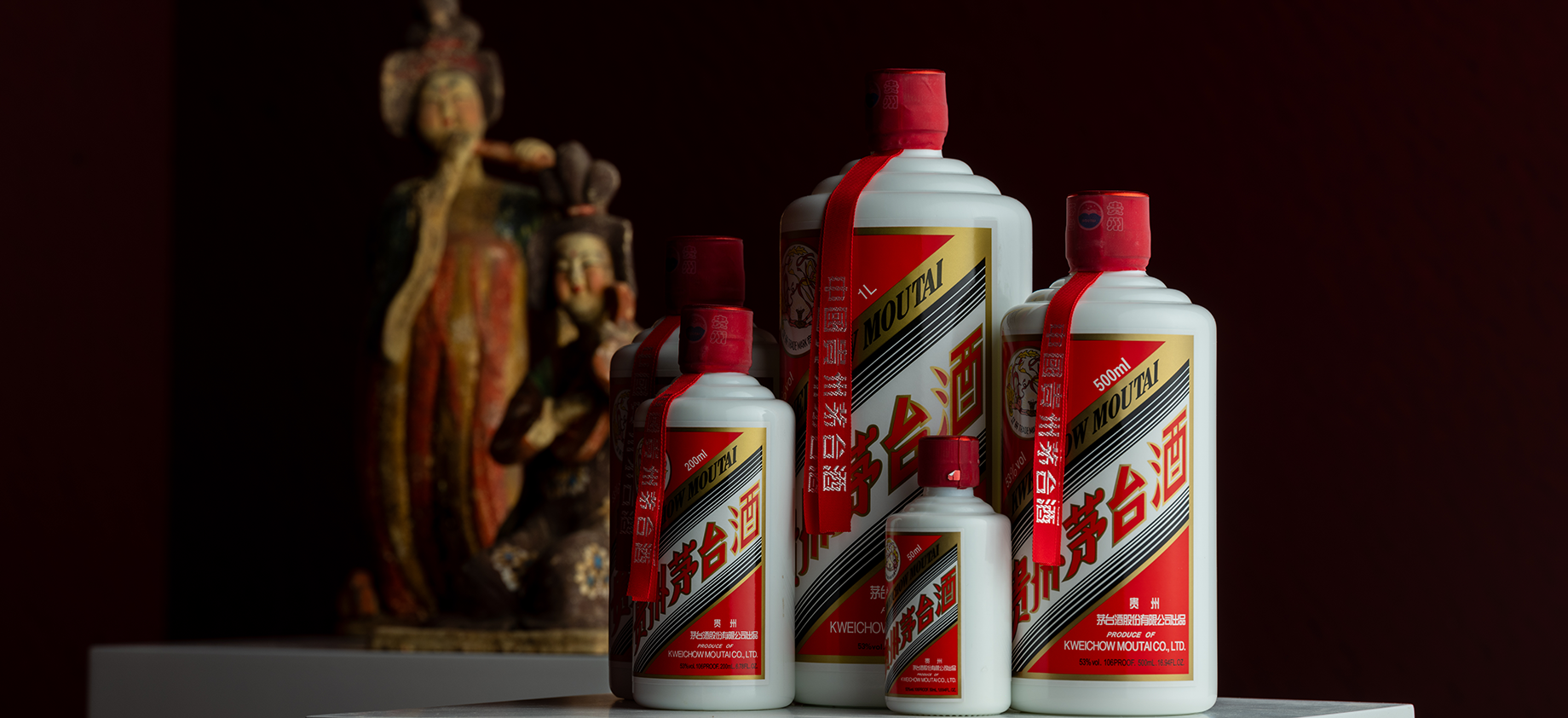
Moutai’s jiangxiang craft follows a year-long cadence often summarised as “nine steamings, eight fermentations, seven distillations.” Red sorghum and wheat daqu build deep umami complexity; the new spirit then rests in porous clay and is precisely blended across base liquors and batches. In the glass, that discipline reads as savoury, toasty depth with remarkable persistence—why jiangxiang is a natural choice for formal gifting and connoisseur tasting.
Highland plateaus and river valleys, old pits and modern cellars—regions imprint rhythm and tone. Houses preserve lineage while refining technique for consistency, so you can return to a favourite profile or branch into a neighbouring style without guesswork.


To enter this site, you must be of legal drinking age in your region. Please enjoy responsibly.
By selecting Enter, you confirm you are of legal drinking age in your region and agree to our Terms and Privacy Policy.